Healthcare Analytics
- Consolidate patient, clinical, and operational data using advanced healthcare data analytics to enhance care coordination and patient management.
- Monitor key performance metrics, such as bed utilization and treatment outcomes, in real time for better, data-driven decision-making.
- Streamline hospital operations, reduce costs, and improve resource allocation with automated data workflows powered by predictive analytics and business intelligence.
By signing up, you agree to our Terms and Privacy Policy.

Optimize Healthcare Performance with Infoveave


Unify Your Data
Integrate all your data from EHRs, Billings, insurance, vendors, and patients to have a complete understanding of your healthcare system.

Simplify Processes
Automate EMR workflows, insurance claims, document management, data transfer, and reduce human errors in critical places.

Amplify Your Insights
Understand patient satisfaction levels, hospital efficiency and errors, improve resource management and drive revenue.
Hospital Finance & Operations
Get a complete overview of hospital operations, finances. Make informed, data-driven decisions while ensuring compliance and regulations through actionable health data.
Care Analytics
Get an understanding of patient care metrics and improve care quality, operational efficiency, and patient satisfaction using healthcare analytics.
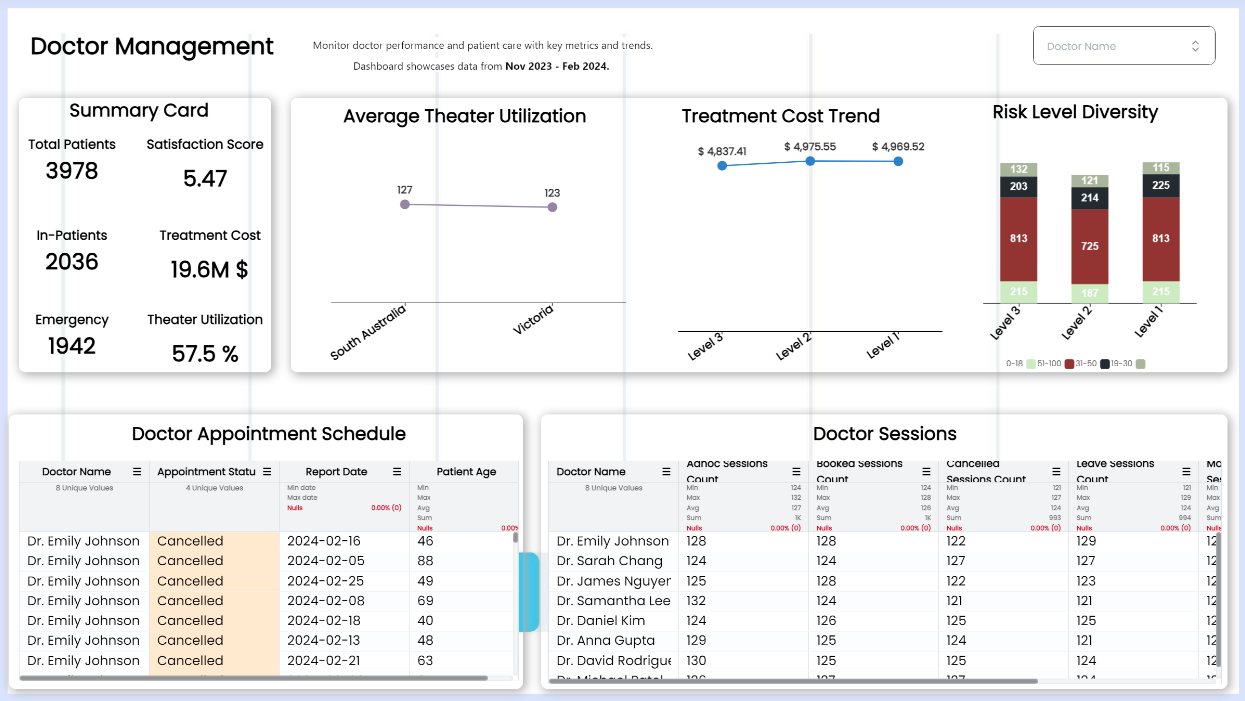
Physician Performance
Get insights into physician performance, patient caseloads, and utilization, enabling data-driven decisions that optimize patient care and operational efficiency.
Community Health Monitoring
Track healthcare workers performance and their role in community health through tracking visits, monitoring diseases, mortality rates, births, etc., supported by health information systems.
Program Effectiveness & Survival Analysis
Assess characteristics and outcomes of patients enrolled in treatment programs. Understand patient responses to medicines and the effectiveness of the plan using predictive analytics and machine learning models.
Surveillance program
Track outbreaks of communicable diseases, monitor lab reports, spread of diseases, mortality rates, and the effectiveness of treatment through integrated healthcare data analytics systems.
Ready to See Your Healthcare Data in Action?
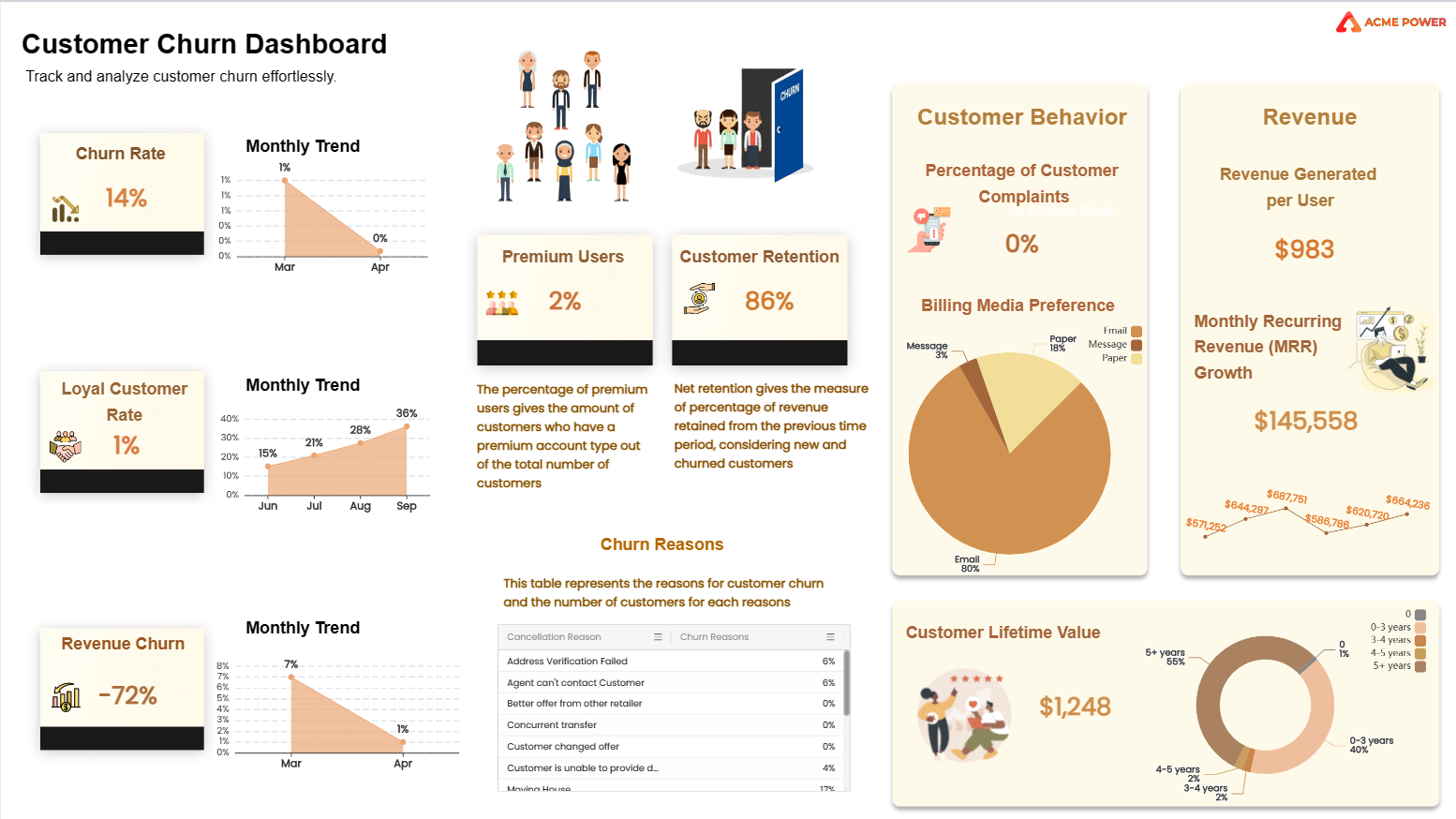
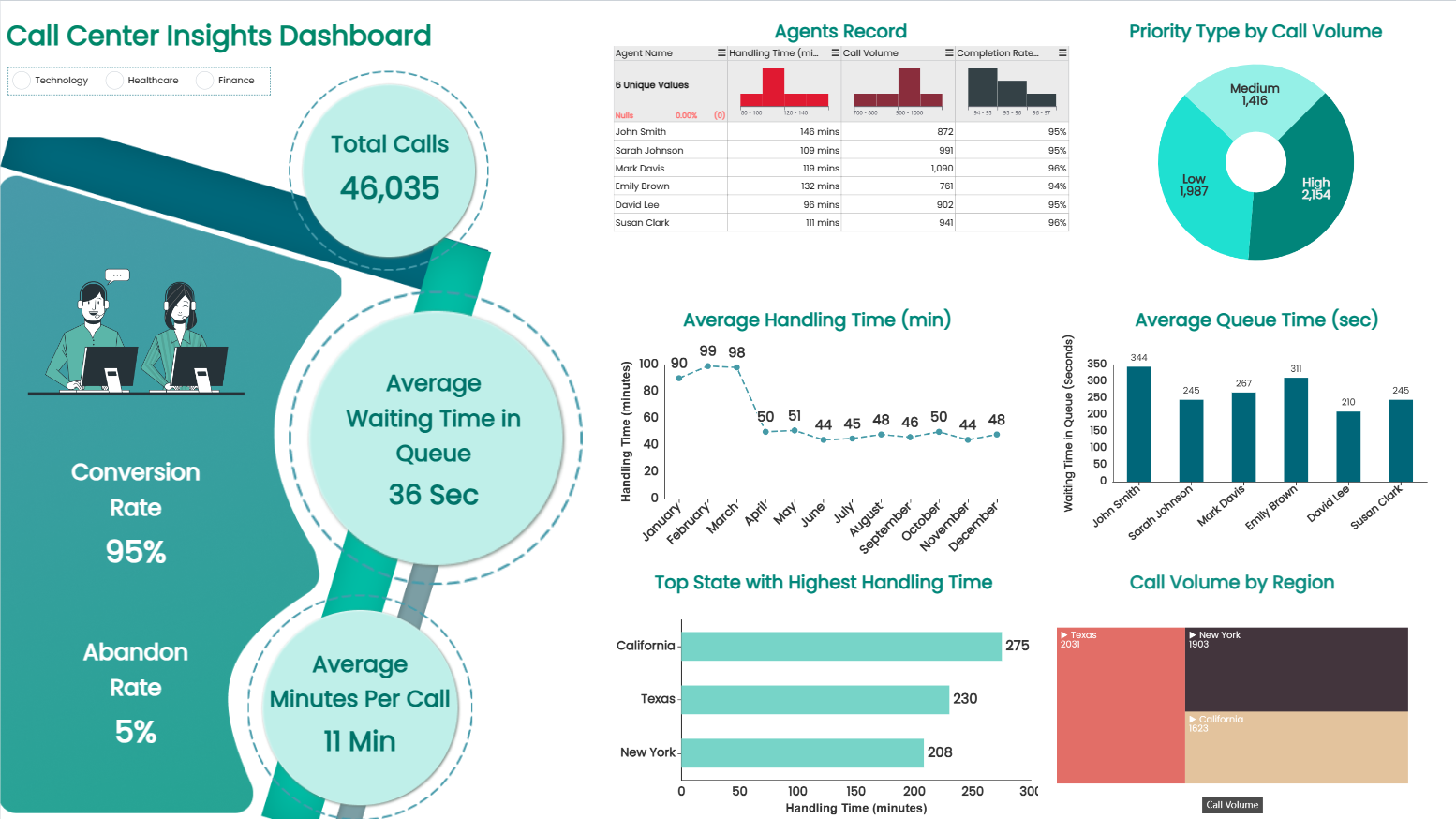
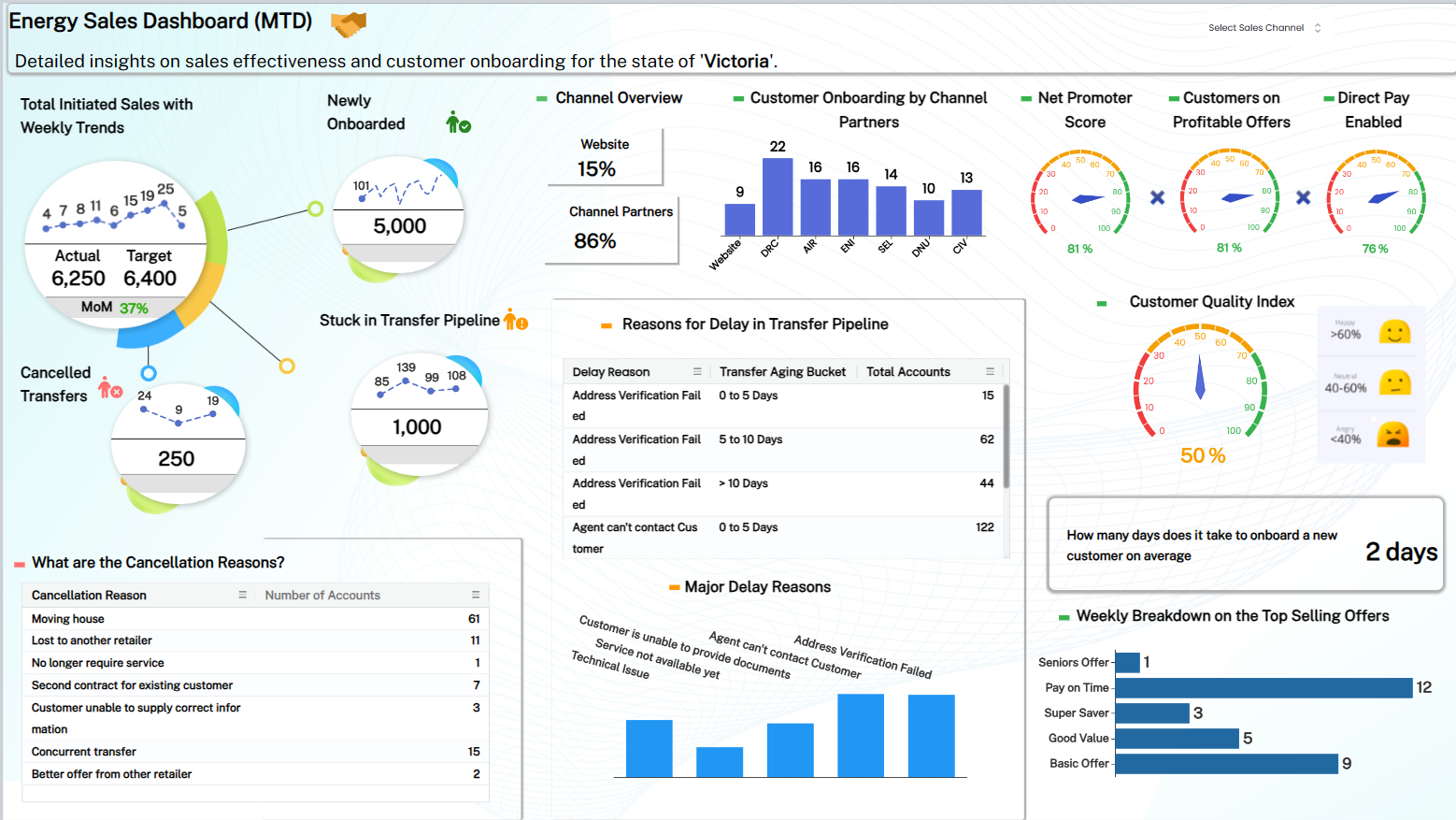
Explore interactive dashboards that unify patient outcomes, clinical operations, and billing insights in real-time.
Visualize healthcare insights
Explore more dashboard examples
What Healthcare Teams Can Do With Infoveave
From patient outcome tracking to billing compliance, each Infoveave capability below addresses a real healthcare data challenge. Explore how they work together.
Healthcare generates data from EHRs, billing systems, lab management, care coordination platforms and more. Infoveave consolidates them into a governed repository so clinical, operational and financial teams work from the same data.
- Connect EHR, billing, lab, pharmacy and care coordination systems without custom ETL
- Eliminate discrepancies between clinical records and financial reporting
- Real-time sync of patient, facility and payer data across departments
Community Health Organization Improves Patient Outcomes with Infoveave
“Infoveave helped us consolidate health monitoring data across programs — giving coordinators real-time visibility into patient outcomes that was impossible before.”
Program Director, Community Health Organization
Ready to Unify Your Healthcare Data?
Join healthcare leaders using Infoveave to make faster, smarter decisions with real-time insights.
Your guide to better Healthcare Analytics
Integrate all your data sources, map them to your KPIs, analyze your data and visualize insights.
Bed Occupancy Rate
Monitor bed occupancy rate to ensure efficient allocation of our beds & serve more patients in need. Improve operational efficiency & patient care.
Bed Turnover = (Number of discharges / Number of beds) x 100
Average hospital stay
The average time patients spend in the hospital from admission to discharge reflects the efficiency of hospital operations and the complexity of medical cases being treated.
Average Hospital Stay = Stay duration / Number of patients
Readmission rate
The percentage of patients who are readmitted to a healthcare facility within a specified period after their initial discharge.
Readmission Rate = (Number of readmissions / Number of discharges) x 100
Average treatment charge
The average amount charged to patients for treatments reflects typical healthcare costs and provides insights into the pricing of services within a given timeframe.
Average Treatment Charge = Treatment charges / Number of treatment charges
Average patient wait time
The average waiting time for services or procedures offers key insights into healthcare process efficiency and impacts the overall patient experience in the facility.
Average Patient Wait Time = Wait time / Number of patients
Staff-to-patient ratio
Staff-to-patient ratio measures the relationship between the number of healthcare staff members and the number of patients they care for within a specified period.
Staff-To-Patient Ratio = Number of staff: Number of patients
Related Insights
AI in Healthcare Analytics: Use Cases and Platform Requirements
AI and Healthcare Data Analytics: Transforming Modern Medicine
Healthcare Data Automation for Clinical and Operational Analytics
How Healthcare Analytics is Transforming Patient Care
UDP for Healthcare: Unifying Clinical and Operational Data
Healthcare KPI Library
Unified Data Platform for Healthcare
Try Healthcare Sample Dataset
Transform Your Healthcare Analytics Today
GenAI-powered insights • Real-time dashboards • Unified data platform
Related healthcare solutions
Frequently Asked Questions
Ready to see Infoveave in action?