Optimize Every Step of Your Financial Services Value Chain
- Identify and mitigate fraudulent activities using real-time data analytics, safeguarding assets and client trust.
- Analyze bank data analytics and customer data to develop personalized financial products.
- Automate reporting processes to provide timely, accurate financial insights, streamline core banking services, and support informed decisions.
By signing up, you agree to our Terms and Privacy Policy.

Climb the BFSI Landscape with Infoveave


Unify Your Data
Centralize data to ensure compliance with regulatory standards, improve risk management, and support business intelligence initiatives.

Simplify Processes
Automate and optimize banking system workflows to accelerate delivery, reduce errors, and enhance decision-making using banking analytics tools and insights.

Amplify Your Insights
Enhance business decisions and credit risk assessment through advanced analytics, while driving compliance and delivering tailored customer experiences in online banking and branch operations.
Fraud Detection and Prevention
Utilize real-time data analytics to identify suspicious transaction patterns and anomalies across core banking systems, enabling proactive security and fraud mitigation.
Personalized Customer Experiences
Leverage banking analytics software to process large volumes of customer and transactional data, enabling tailored financial recommendations that boost engagement.
Risk Management and Compliance
Centralize and analyze regulatory data to ensure compliance and risk controls. Automate reporting to align with financial institutions' governance requirements.
Credit Scoring and Loan Approval
Apply advanced analytics to evaluate diverse data sources and predict borrower behavior, streamlining credit risk analysis and reducing loan default rates.
Predictive Analytics for Customer Retention
Analyze customer behavior, churn signals, and historical data using business intelligence tools to implement targeted retention strategies and improve loyalty.
Operational Efficiency Improvement
Automate end-to-end banking workflows to reduce operational costs and drive agility. Use banking analytics software to continuously improve services across departments.
Ready to See Your Banking Data in Action?
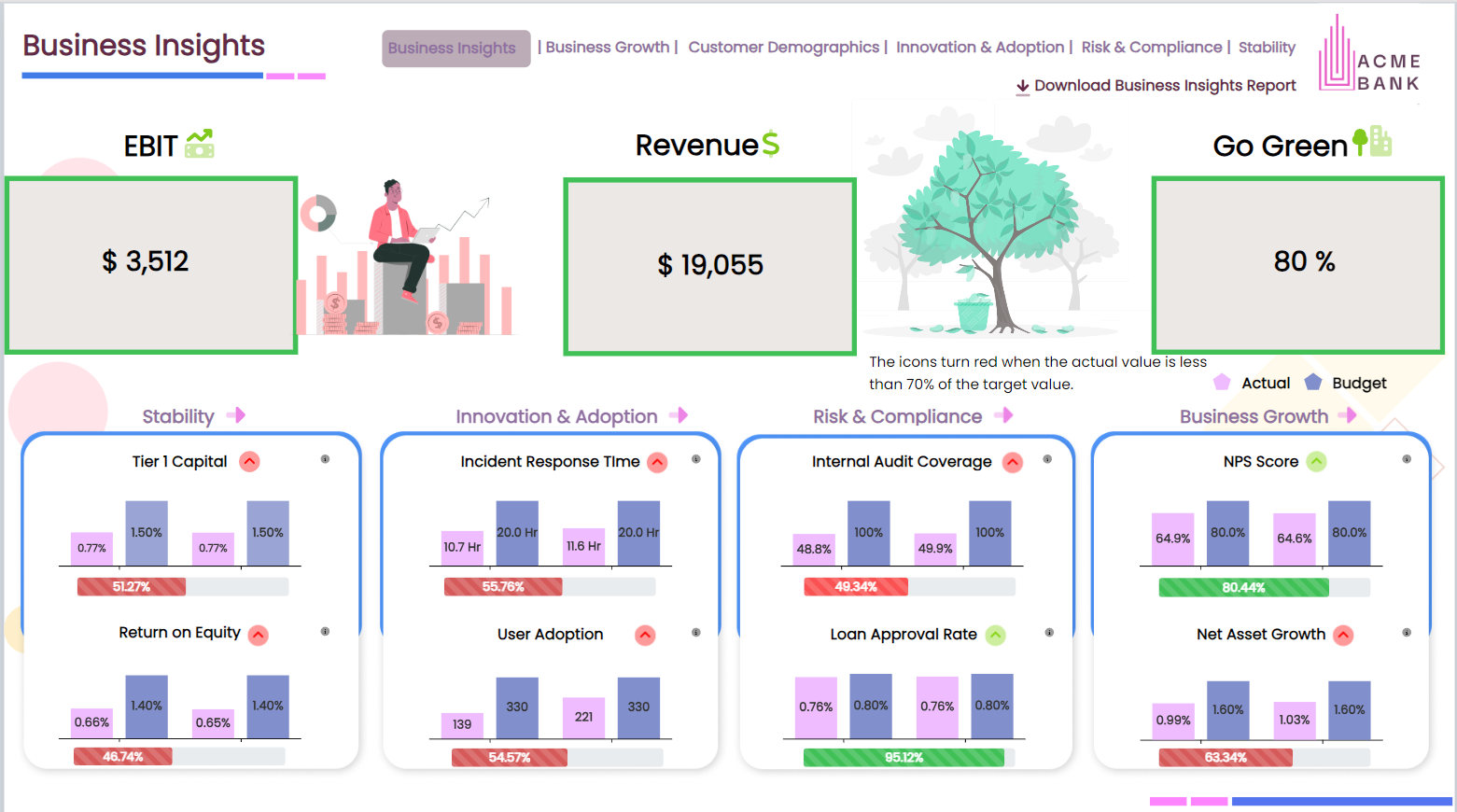
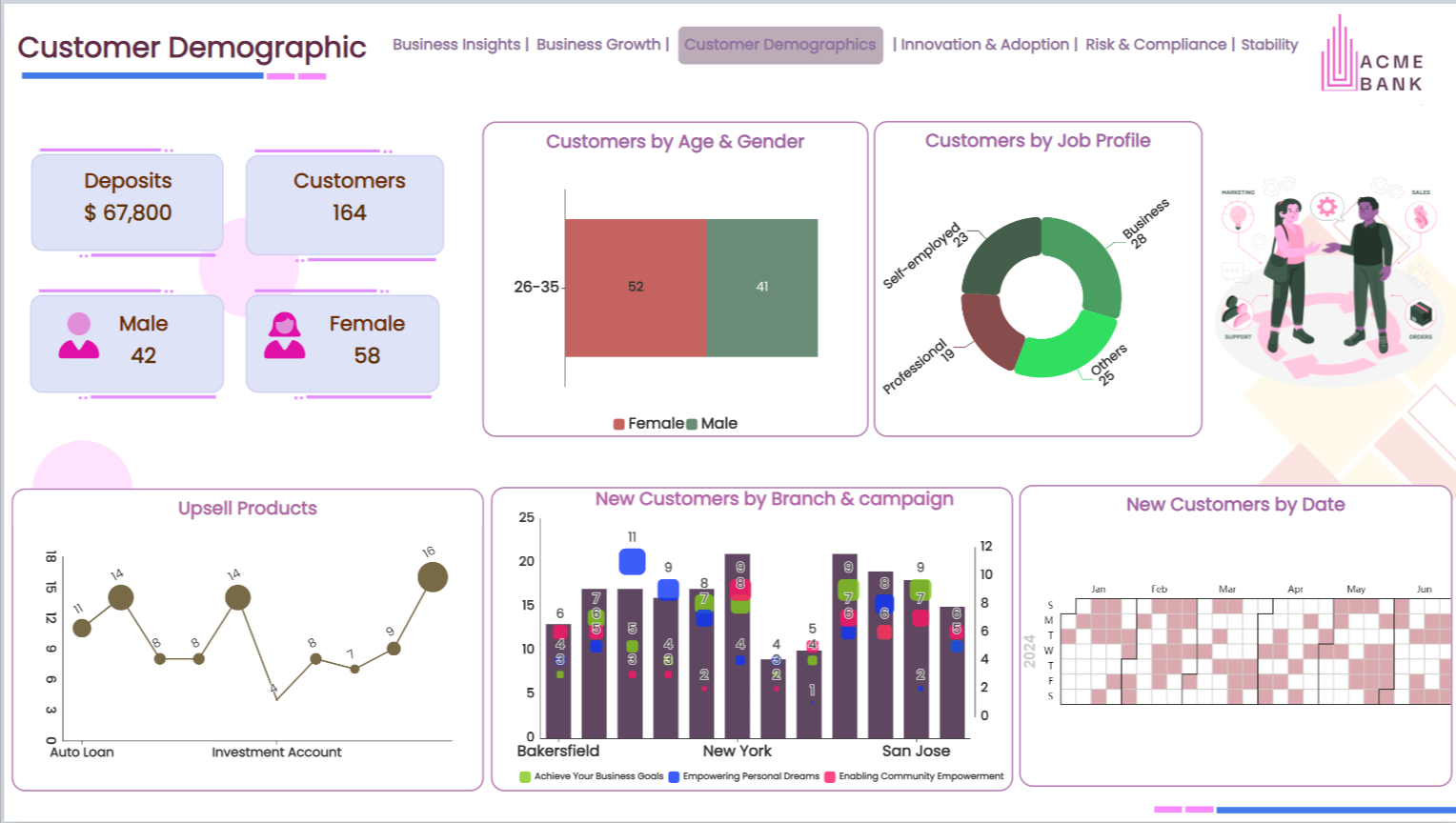
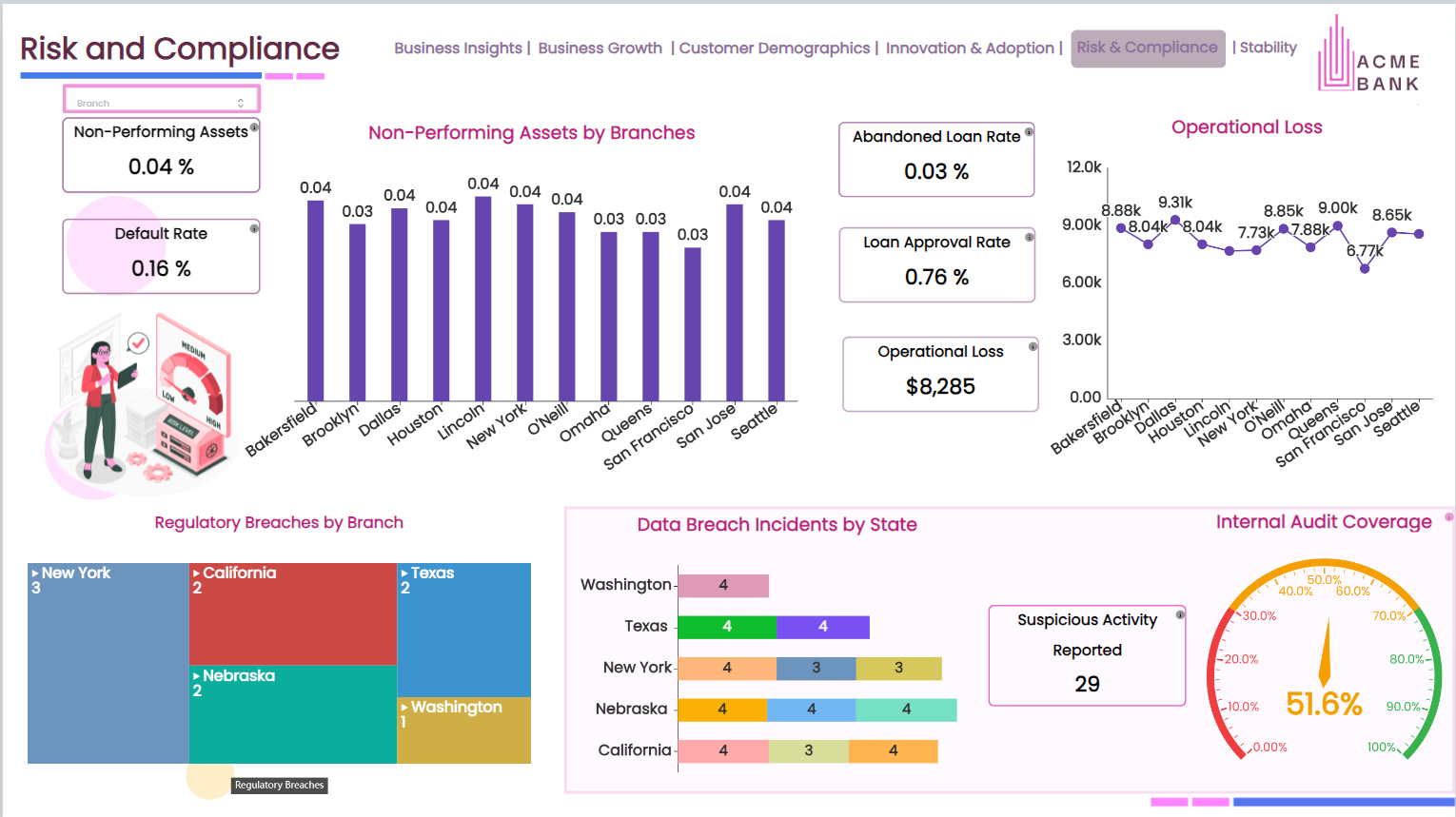
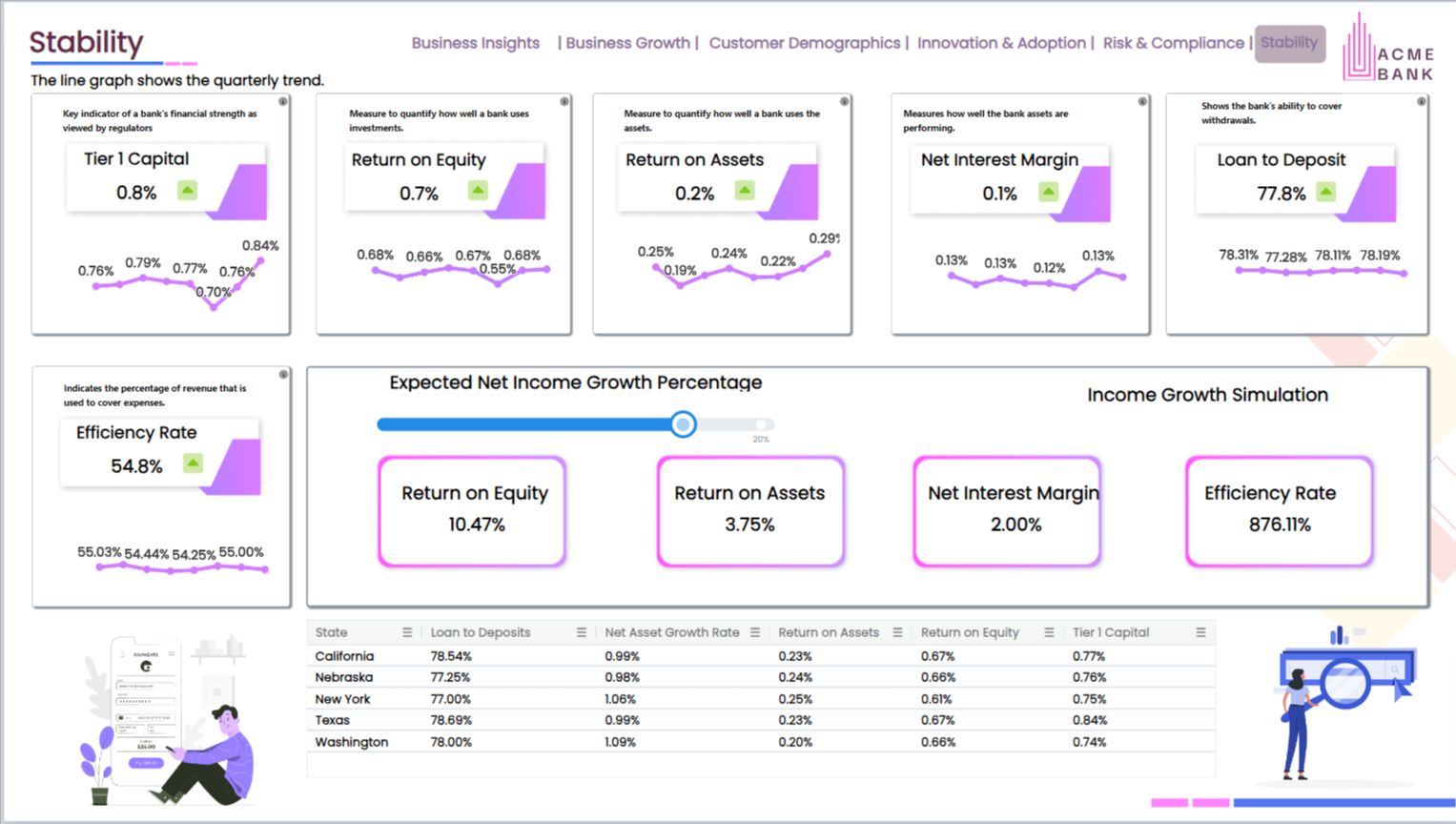
Explore interactive dashboards that unify transactions, risk, and compliance insights in real-time.
Visualize your insights
Explore More Dashboard Examples
What Financial Services Teams Can Do With Infoveave
From accounts payable automation to regulatory compliance reporting, each Infoveave capability below addresses a real banking and financial services challenge. Explore how they work together.
Financial institutions generate data across core banking systems, ERP, CRM, risk engines, compliance tools and payment gateways. Infoveave consolidates them into a governed repository so finance, risk and operations teams work from the same data.
- Connect core banking, ERP (SAP/Oracle), CRM, payment and risk systems without custom ETL
- Eliminate reconciliation gaps between front-office, back-office and finance reporting
- Real-time sync of transaction, customer and risk data across business units
Financial Organization Automates Accounts Payable with Infoveave RPA
“Infoveave automated our accounts payable process end-to-end — reducing manual effort significantly and eliminating reconciliation errors that once took days to resolve.”
Finance Director, Financial Services Organization
Ready to Unify Your Financial Services Data?
Join financial leaders using Infoveave to make faster, smarter decisions with real-time insights.
Unlock the Power of Your Financial Data with Infoveave
Integrate all your data sources, map them to your KPIs, analyze your data and visualize insights.
Net asset growth rate
The net asset growth rate measures the percentage change in a bank's total assets over time, accounting for liabilities and equity.
Net Asset Growth = (Current year’s total assets – Last year’s total assets) / Last year’s total assets
Deposit Growth Rate
The deposit growth rate measures the percentage increase or decrease in a bank’s total deposits over a specific period, typically expressed on an annual basis.
Deposit Growth Rate = (Current year’s total deposits – Last year’s total deposits) / Last year’s total deposits
Loan-To-Deposit Ratio
The loan-to-deposit ratio indicates the percentage of deposits lent as loans, providing insights into a bank’s liquidity and risk exposure.
Loan-To-Deposit Ratio = (Total loans / Total deposits) x 100
Loan Approval Rate
The loan approval rate measures the percentage of approved loan applications, indicating a bank's lending policies and customers' access to financing.
Loan Approval Rate = (Number of approved loans / Loan applications) x 100
Loan Default Rate
The loan default rate measures the percentage of loans in a portfolio that have defaulted, reflecting borrowers' failure to repay obligations.
Loan Default Rate = (Number of loans defaulted / Number of loans issued) x 100
Current Ratio
The current ratio is a metric used to assess a company’s short-term liquidity and its ability to meet immediate financial obligations.
Current Ratio = Current assets/ Current liabilities
Transform Your Financial Services Analytics Today
GenAI-powered insights • Real-time dashboards • Unified data platform
Frequently Asked Questions
Ready to see Infoveave in action?